Voices of Global Cotton Connections
Illustrated Voices of Global Cotton Connections
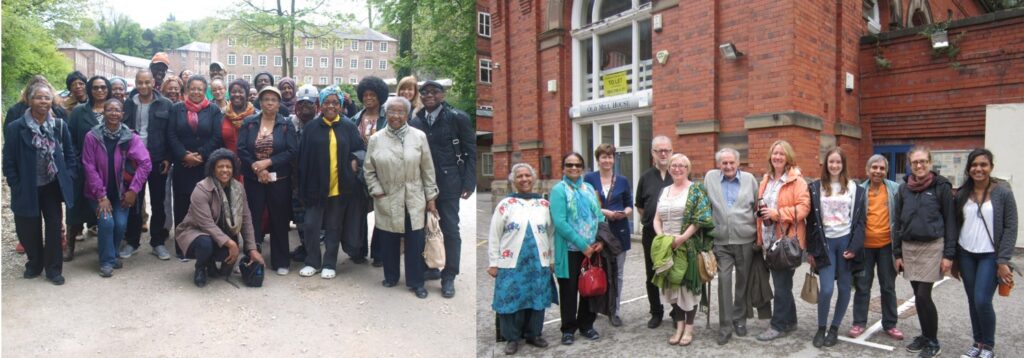
Watch and listen below to the global cotton stories that connect the Derwent Valley with the British Empire and the transatlantic trade in enslaved people of African descent. You will hear recordings of commemorative poetry and song, accounts of enslaved life on cotton plantations, and reflections on the importance of the Global Cotton Connections projects to the community, heritage and academic partners. All accompanied by photos from the Global Cotton Connections projects.
With thanks to volunteers from Sheffield South Asian groups, Nottingham’s Legacy Makers volunteers, Bright Ideas Nottingham, Abigail Bernard and Daniel Shade, Michelle ‘Mother’ Hubbard, The Arkwright Society and the University of Nottingham. Thanks also to Owen Tooth who produced the DVD for us.
Supported by funding from the Arts and Humanities Research Council and the National Lottery Heritage Fund
Voice of Our Ancestors – Abigail Bernard
The Global Cotton Connections project along with my cousin Daniel Shade, offered us the opportunity to be the voice of our ancestors.
Our 3 x great grandparents, York and Annabella Quashie were enslaved on the Mount Pleasant Estate, owned by the Tarleton family of Liverpool.

York and Annabella in 1817 Slave Register – Credit: T71/267 (1817) Ancestry/National Archives
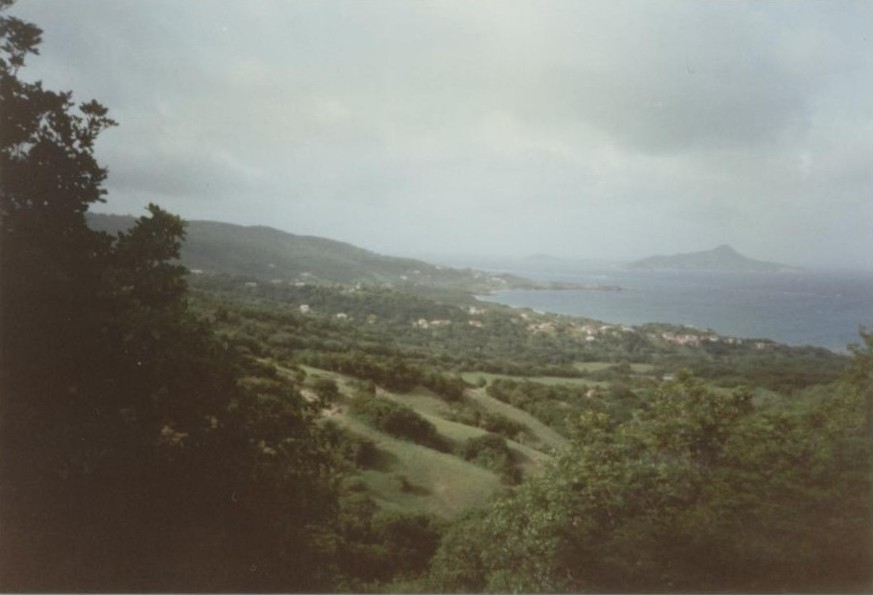
This estate on a 13 square miles island in the Eastern Caribbean called Carriacou, provided cotton for Belper Mill in the Derwent Valley, Derbyshire.
It is so important that their silent arduous contributions are amplified and acknowledged. By working on the Global Cotton Connections project, it allowed us the space to reflect and reimagine their daily experiences, hopes and dreams.
Despite our ancestors being legally considered as property and often a mere casual reference in historical documents.
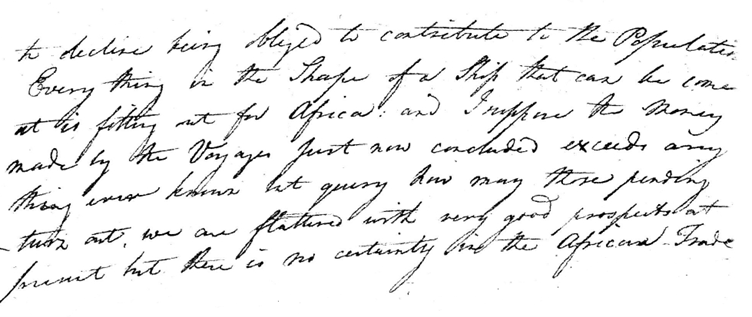
Clayton Tarleton letter to his brother Thomas, owner of Mt Pleasant Estate – 24th September 1792.
“I have heard of the mayoralty from all sides: and shall I am afraid be obliged to accept your offers of superintending the Blackamoors at Mt. Pleasant but I beg to decline being obliged to contribute to the Population.”
“Everything in the Shape of a Ship that can be come at is fitting out for Africa and I suppose the Money made by the Voyages just now concluded exceeds anything ever known but query how may those pending turn out, we are flattered with very good prospects at present but there is no certainty in the African Trade.”

The separation by sea from their families did not deter them passing on a rich legacy of their African customs, traditions and memories for future generations.
Our Nation or Big Drum Dance is a unique representation of the different ethnic groups, which include the Igbo, Chamba, Temne and Ga’s who were forcibly trafficked to the island.
These dances have left an indelible mark connecting us to the echoes of our ancestors music, language and storytelling.
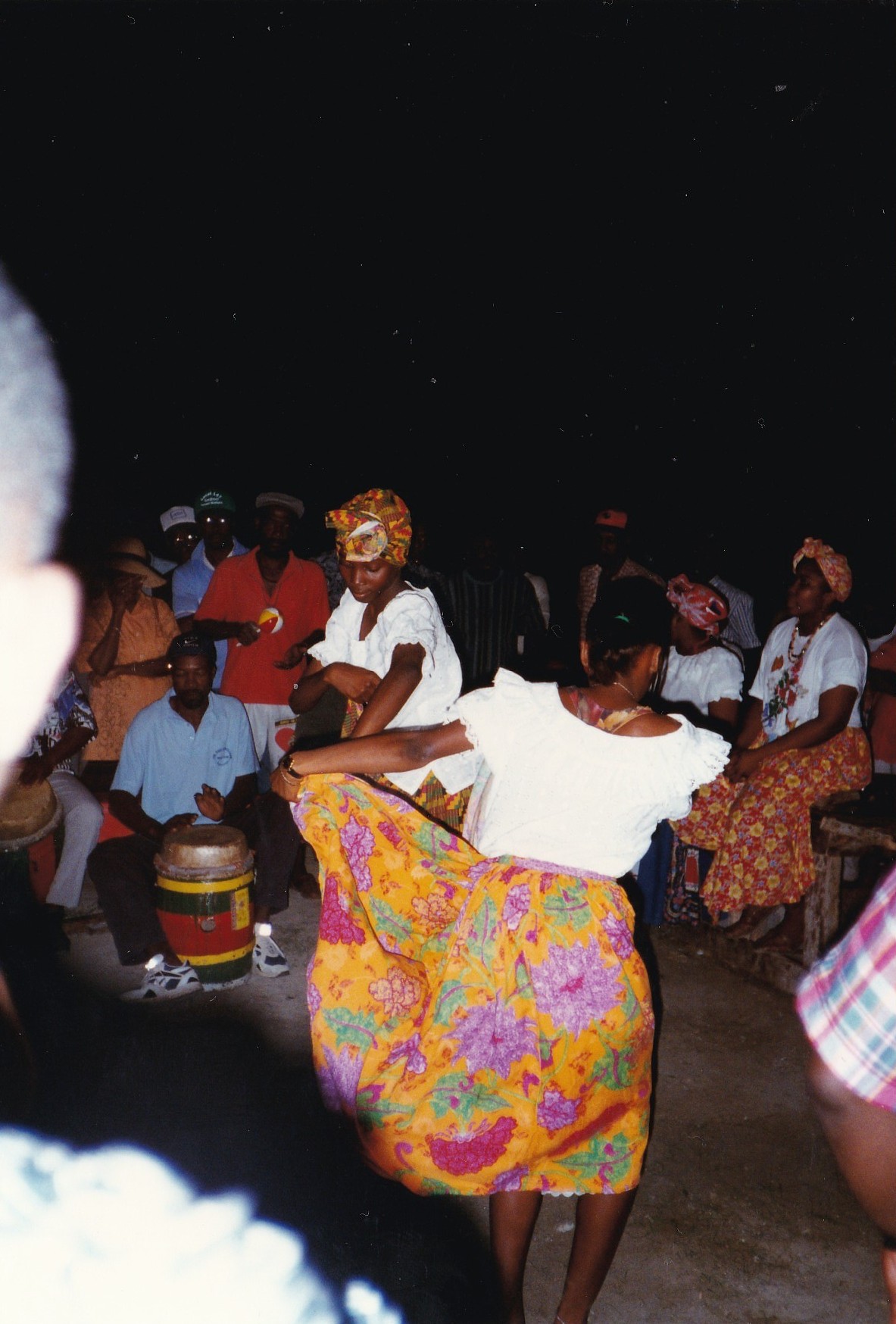
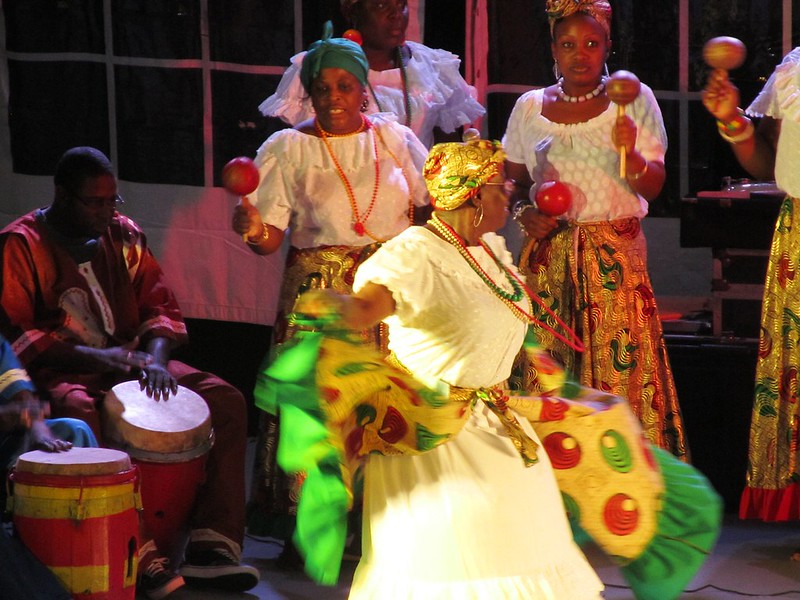
As York and Annabella laboured alongside their parents and others in the punishing heat. They were powering the British Industrial Revolution many miles away.
It is a testament to their resilience and fortitude in which we take great pride.
I remember them. We will remember them.
Abigail Bernard

Three men in a Canoe: Researching Caribbean Family History article written by Abigail Bernard for Centre for the Study of the Legacies of the British Slave Trade (2014)
https://lbsatucl.wordpress.com/2014/06/13/three-men-in-a-canoe-researching-caribbean-family-history/


