Belper and Carriacou – The Cotton Connection

You might recognise some of the place names in Carriacou!
At one point in the late 1700s/early 1800s the tiny island of Carriacou provided nearly a quarter of the cotton for the Strutts’ mills.

Belper Pond in present-day Carriacou,
Anse La Roche Nature Reserve
Photo: INGRID LEWIS

Photo: INGRID LEWIS
The Derwent Valley was the cradle of the industrial revolution.
It played an important part in driving up demand for raw cotton around the world.
More and more plantations were set up. People were taken forcibly from Africa and enslaved to produce cotton for mills here in Belper and elsewhere.

Carriacou
Carriacou, a small island in the Caribbean, and Belper may seem worlds apart but they share an important connection.
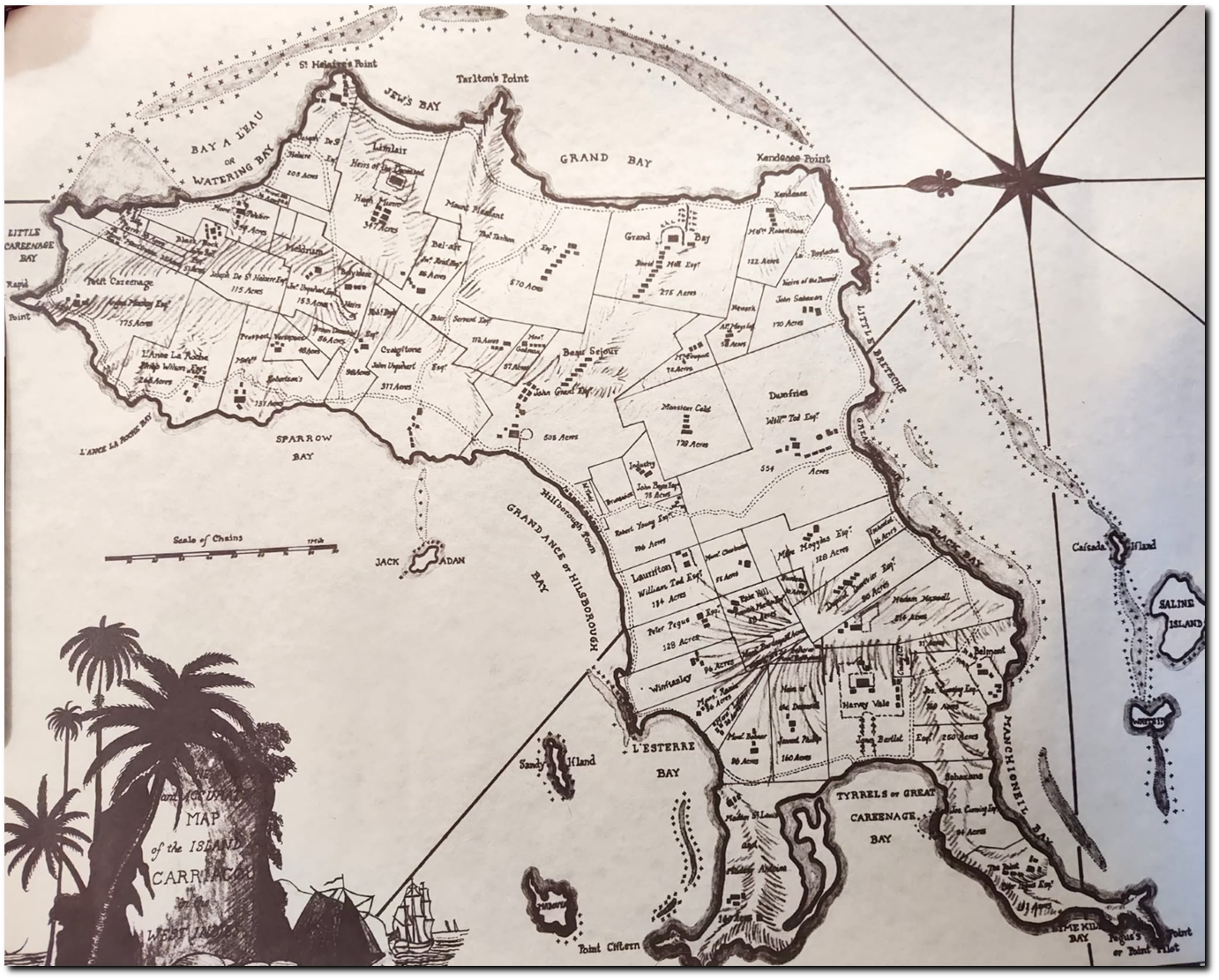
Cotton grown in Carriacou by enslaved people taken from Africa was bought by Jedidiah Strutt for his cotton mill in Belper.

The Reconnection Partnership: Belper and Carriacou
This is a partnership between interested organisations and individuals in Belper and Carriacou. It is founded on a shared willingness to engage thoughtfully and respectfully our connected history.
Aims
- To Explore and Share Interconnected Histories: To collaboratively research and interpret the historical links between Belper, and Carriacou, including the role of cotton and its wider social and economic impacts.
- To Foster Mutual Understanding and Respect: To create opportunities for open, balanced dialogue that acknowledges the past while recognising the present realities of both communities.
- To Build Lasting Community Connections: To establish sustainable relationships between Belper and Carriacou through cultural exchange, shared projects, and ongoing collaboration.
- To Encourage Youth Engagement and Legacy Building: To actively involve young people in both communities, ensuring that this partnership grows into a living, intergenerational connection.
Do you or your organisaton want to take part? Email DVMWHS@Derbyshire.gov.uk
You can find a summary of the research into Global Cotton Connections here.
You can also listen and watch Global Cotton Connections Voices to hear recordings of commemorative poetry and song, accounts of enslaved life on cotton plantations and reflections on the importance of the Global Cotton Connections project to the community, heritage and academic partners. Click here for “Voices of Global Cotton Connections”.
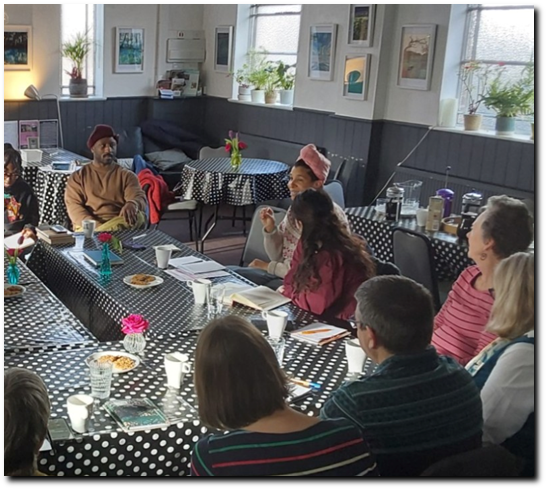
Photo: INGRID LEWIS
Carriacou Museum
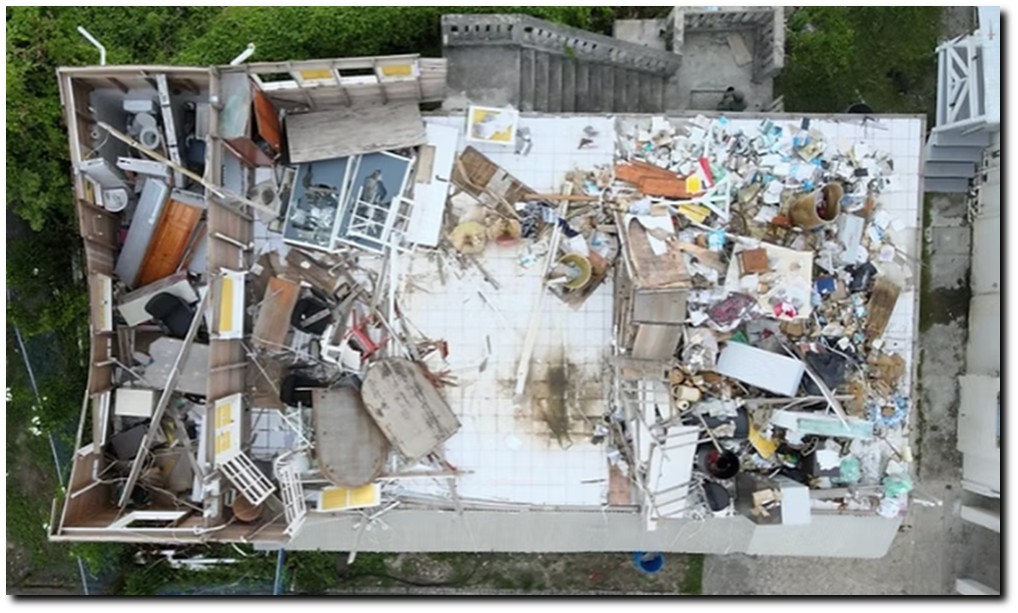
Before and After Hurricane Beryl
The museum was established in 1976
“It is remarkable that such a museum has arisen in such an isolated location with collections of such apparent significance” UNESCO

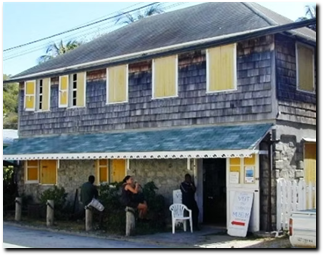
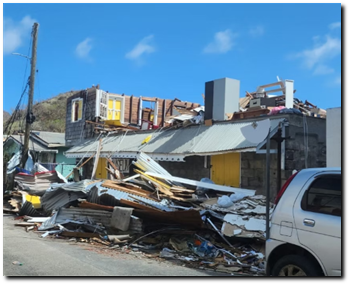
Fundraising for reconstruction
“Due to the devastating impact of Hurricane Beryl on July 1st, 2024, the Carriacou Museum is temporarily closed. The hurricane caused extensive damage to the building and its precious collection, leaving us with the challenge of restoring this beloved cultural landmark. The museum has long been a symbol of Carriacou’s rich history and heritage, and we are committed to rebuilding it to continue preserving and sharing the island’s unique stories.
We are reaching out for support—every donation will bring us closer to reopening the museum’s doors. Your contribution will directly fund the reconstruction of the museum and help restore artifacts damaged in the storm. Thank you for standing with us as we work to revive this vital piece of Carriacou’s cultural legacy”. Carriacou Museum and Historical Society
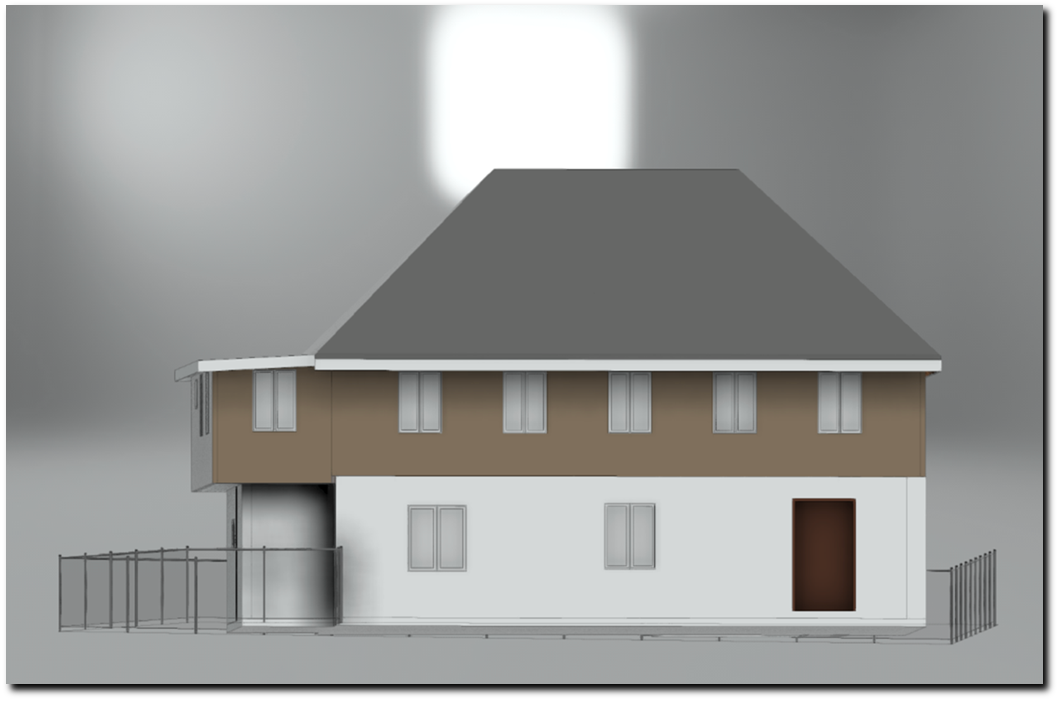
Funds will go toward reconstructing the museum, incorporating modern technology for interactive exhibits, and ensuring the museum remains a vibrant educational resource for future generations. Every donation, large or small, helps us rebuild stronger and continue sharing our island’s unique heritage with the world.
DONATIONS
Look out for www.gofundme. Donations page coming live soon.
Case study | Addressing colonial histories
Ingrid Lewis shares how an international partnership is linking Derbyshire’s cotton mills to the island of Carriacou
Article published by the Museum Association – August 2026

Back in 2015, University of Nottingham’s Global Cotton Connections research project revealed that for about five years in the late 18 century, the Caribbean island of Carriacou provided nearly a quarter of the cotton for the Strutts’ mills at Belper in the Derwent Valley – the leading thread spinners in Britain.
The project, which was led by Susanne Seymour, also explored the links between the Strutt family, Liverpool merchants and the labour of enslaved Africans, challenging museums and heritage
This link between Derbyshire’s cotton mills and Carriacou has led to the Belper –Carriacou Reconnection Partnership, which positions museums as active spaces for truth-telling and reparative dialogue rather than just passive keepers of the past.
Museums are often seen as places that preserve the past. Increasingly, they are also becoming places where communities come together to understand how the past continues to shape the present. The Belper–Carriacou Reconnection Partnership shows how museums can move beyond caring for collections to become active participants in truth-telling, relationship-building and reparative practice.
Shared histories
Global Cotton Connections became the catalyst for conversations about acknowledging the global story behind the Industrial Revolution and contributed to the formation of the Legacy Makers, a community initiative based in Nottingham who committed to exploring these shared histories through dialogue, creativity and public engagement.
For the Carriacou Museum, however, the story began in very different circumstances. Following the devastation caused by Hurricane Beryl on the 1 July 2024, the museum suffered extensive damage. While the Carriacou Historical Society board members and volunteers worked to rescue collections and began the long process of recovery, messages of support arrived from around the world.
One of those messages came from Belper Town councillor Julie Wozniczka, who contacted the museum to offer support and discuss making a donation towards its recovery.
What began as a conversation about helping a museum recover from disaster soon developed into something much more significant. Through a series of online meetings, both communities recognised that they were connected by a shared history shaped by cotton production, industrialisation, colonialism and the labour of enslaved Africans.
Those early conversations led to the first face-to-face meeting in Belper in January 2025, when board members from the Carriacou Museum and Historical Society met with Belper North Mill Trust, the Derwent Valley Mills World Heritage Site, the Belper Historical Society and others.
The discussions were open, respectful and forward-looking. Rather than focusing solely on the injustices of the past, participants explored how a shared history could become the foundation for a meaningful partnership.
Over the following months, collaborators from both sides of the Atlantic produced a partnership document – this became a shared statement of purpose, setting out the values, aspirations and principles that would guide our work together.
The partnership was formally launched during Love Belper 250 Festival the on 26 July 2026, with the mayor of Belper, Katie Harris, offering her support and recognising the importance of building new relationships through an honest understanding of our shared history.
The launch continued with an open public conversation about the historical connections between Belper and Carriacou. Participants reflected on the cotton trade, the wealth generated through Britain’s industrial revolution, the realities of enslaved African labour and the continuing legacy of colonialism for both communities.
Rather than presenting history as something fixed in the past, the discussion invited people to engage with it together, asking questions, sharing perspectives and listening to one another’s experiences.
These are challenging and painful issues so creating a safe space to explore them respectfully meant that the Belper-based audience engaged fully and with open hearts and found the session to be very moving as well as informative.
Active participants
This is where the partnership moves beyond historical research. The word reparations often brings to mind governments, financial compensation or divided views.
While these discussions remain important, museums have a distinct contribution to make. They are uniquely placed to help communities understand difficult histories through evidence, dialogue and shared learning.
The Belper–Carriacou Reconnection Partnership demonstrates that museums can be active participants in reparative practice. Their role is not to provide all the answers, but to create spaces where difficult conversations can take place with honesty, respect and compassion.
Truth-telling is an essential first step towards repair. By bringing together descendants, researchers, community leaders, museum professionals and communities, the partnership has created opportunities to listen before speaking, to understand before judging and to build relationships rooted in mutual respect.
Our chosen tagline, Unwinding the Bobbin, captures that aspiration. A cotton bobbin is a small spool of thread, but it also serves as a powerful metaphor. As each thread is carefully unwound, hidden stories begin to emerge. The more we uncover, the more clearly we understand the lives, labour and experiences that connected Belper and Carriacou centuries ago.
The Reconnection Partnership is still in its early stages, but it has already shown what is possible when museums move beyond preserving the past to actively shaping the future. As museums continue to examine their responsibilities in relation to colonial histories, the experience of Belper and Carriacou suggests that one of their greatest contributions may be their ability to bring people together around shared evidence, shared humanity and a shared commitment to building a more honest future. In doing so, museums become not only keepers of history, but active partners in reconciliation.
Ingrid Lewis is director of regional affairs and strategic coordination at Carriacou Historical Society


